
How to Grout Tiles?

How to Grout Tiles: DIY Tips, Common Mistakes, & Tools

Bathroom

Are you thinking about grouting your bathroom, kitchen, and balcony tiles yourself? You’re in the right place. Whether you’re renovating your home or fixing up a property, getting your tile grouting right is absolutely critical for preventing water damage and keeping mould at bay, something we Aussies know all too well with our humid climate.

In this detailed guide, we’ll walk you through everything you need to know about grouting tiles in homes: understanding different grout types suited to our climate, essential tools you can grab from Bunnings, a step-by-step DIY grouting process, common mistakes that lead to expensive repairs, and when it’s smarter to call in the professionals.

What is Tile Grout and Why Does It Matter?

Tile grout is the material that fills the spaces between tiles, creating a watertight seal that prevents moisture from seeping through to the substrate beneath. Think of it as the unsung hero of your bathroom, kitchen, or outdoor tiled areas.

Why Grout Matters in Australian Homes?

  • Waterproofing: Essential for our wet rooms and humid climate.
  • Mould Prevention: Properly sealed grout stops mould growth (critical in Queensland humidity).
  • Structural Integrity: Prevents tiles from shifting and cracking.
  • Aesthetic Appeal: Clean grout lines make your tiles look brand new.
  • Property Value: Poor grouting signals home-maintenance issues to potential buyers.

Grouting vs Regrouting

Grouting is the initial application when tiles are first laid, while regrouting involves removing old, damaged grout and replacing it with fresh material. You’ll know regrouting is necessary when you see cracking, persistent mould growth, discolouration, or crumbling grout.

The Australian Climate Factor

The humid coastal climate and wet seasons create unique challenges. Higher mould and mildew risk, faster grout deterioration in bathrooms, salt air damage in coastal properties, and the critical importance of mould-resistant grout types make choosing the right approach essential for homes.

How to Choose the Right Grout Type?

Not all grout is created equal, especially when you’re dealing with Brisbane’s humidity or Gold Coast’s salt air. Here’s what you need to know.

Grout Type Comparison

Grout Type

Best For

Lifespan

Sanded Cementitious

Floor tiles, gaps >3mm

5-10 years

Unsanded Cementitious

Wall tiles, gaps <3mm

5-10 years

Epoxy Grout

Showers, wet areas, commercial

15-20 years

Furan Resin

Industrial, chemical exposure

20+ years

1. Cementitious Grout (Sanded & Unsanded)

Cementitious Grout

The most common DIY option, cementitious grout, is composed of Portland cement, sand (in the sanded version), and colour pigments. You mix the powder with water and apply it while it’s still workable. Curing time is typically 24-72 hours, though this extends in humid weather. When to use it:

  • Budget-friendly kitchen backsplashes
  • Standard bathroom wall tiles (unsanded)
  • Floor tiles with wider joints (sanded)
  • NOT for shower floors without proper sealing
  • NOT for high-moisture areas without waterproofing

Australian considerations: Requires sealing in humid climates like the Gold Coast, Brisbane, and Sunshine Coast. Annual resealing is recommended for bathrooms, and mould can develop without proper ventilation.
2. Epoxy Grout (Professional Recommendation)

Shower Regrouting in Brisbane

Epoxy grout is a two-part system made from epoxy resins and hardener. It cures in about 24 hours and is less affected by humidity than cementitious grout. When to use it:

  • Shower floors and walls (waterproof + mould-proof)
  • Commercial kitchens and wet areas
  • Pool surrounds and outdoor areas
  • Coastal properties (salt-resistant)


Why Aquatech Grouting recommends epoxy: At Aquatech Grouting, we exclusively use epoxy grout for shower regrouting because it resists mould and mildew growth, doesn’t require sealing, lasts three times longer in wet conditions, and provides superior waterproofing.

DIY Reality Check: Epoxy grout is tricky to work with for DIYers. It has a short working time (30-45 minutes), requires experience to apply smoothly, is difficult to clean if it sets on tile surfaces, and professional application is recommended for showers.

Grouting Toolkit: What You'll Actually Need?

Before you start, make sure you’ve got the right tools. Here’s what you can pick up from Bunnings or Mitre 10.

Essential Tools

Tool

Purpose

Approx. Cost (AUD)

Grout Float

Applying grout to joints

$15-30

Rubber Gloves

Hand protection

$5-10

Large Sponge

Cleaning excess grout

$5-15

Buckets (2)

Clean + dirty water

$10-20

Grout Rake/Removal Tool

Removing old grout (regrouting)

$15-25

Mixing Drill & Paddle

Mixing grout

$50-100

Margin Trowel

Scooping grout

$10-20

Caulking Gun

Sealing corners

$10-15

Grout Sealer & Applicator

Protecting cementitious grout

$20-40

Safety Glasses

Eye protection

$10-15

Knee Pads

Floor work comfort

$15-30

Essential Materials

  • Grout (calculate 10-15% extra for wastage)
  • Clean water (filtered preferred)
  • Grout sealer (for cementitious grout)
  • Silicone sealant (wet area grade)
  • Clean microfibre cloths
  • Painter’s tape (protecting adjacent surfaces)

Where to buy in Australia: Bunnings Warehouse has the widest DIY selection with helpful staff; Mitre 10 offers a good range with often better pricing; tile shops stock professional-grade products with expert advice; and specialist suppliers carry epoxy grout and waterproofing membranes.

Cost Reality Check: DIY basic grouting will set you back AUD $50-AUD $150 for tools and materials, while professional grouting typically costs AUD $300- AUD $800, depending on the area. When the cost difference is small, professional quality is often worth it.

How to Grout Tiles: The Step-by-Step Process

Right, let’s get stuck into it. This process works for most DIY grouting projects, but remember: showers and wet areas require extra waterproofing steps that might need a professional’s touch.

Step 1: Surface Preparation

Timeline: Allow 1-2 hours
Don’t skip this. Preparation is 50% of grouting success. If regrouting, remove old grout:

  • Use a grout rake or oscillating multi-tool
  • Clear joints to at least 5 mm depth
  • Vacuum dust thoroughly

Clean the tile surface:

  • Wash with sugar soap solution
  • Remove all dirt, grease, and soap scum
  • Rinse thoroughly with clean water
  • Dry completely (use a fan in humid weather)

Inspect for damage:

  • Check for cracked tiles (replace before grouting)
  • Verify tiles are firmly adhered
  • Check waterproofing membrane (critical for wet areas).

Australian Climate Tip: In humid weather around Brisbane and the Gold Coast, use a fan or dehumidifier to ensure tiles are bone-dry before grouting. Moisture trapped beneath grout leads to mould and adhesion failure.

Common Mistake #1: Grouting over damp surfaces
Result: Discoloured grout, poor adhesion, premature failure

Step 2: Mixing the Grout

Timeline: 10-15 minutes
For cementitious grout (powder):

  • Read manufacturer’s instructions (mixing ratios vary)
  • Add powder to water (never water to powder)
    • Standard ratio: 3 parts powder to 1 part water

  • Mix thoroughly with paddle and drill
    • Consistency: Thick peanut butter
    • No lumps or dry powder

  • Let slake (rest) for 5-10 minutes
  • Remix briefly before use
  • Don’t add more water after slaking (weakens grout)

Batch Size: Mix only what you can use in 30 minutes. Aussie heat accelerates drying, so work smart!

Australian Weather Considerations:

  • Hot days (30°C+): Work in cooler morning hours, smaller batches
  • Humid days: Expect longer drying times
  • Coastal areas: Use potable water (not tank water with minerals)

For Epoxy Grout: We don’t recommend DIY epoxy mixing unless you’re experienced with epoxy. Incorrect ratios ruin the entire batch.

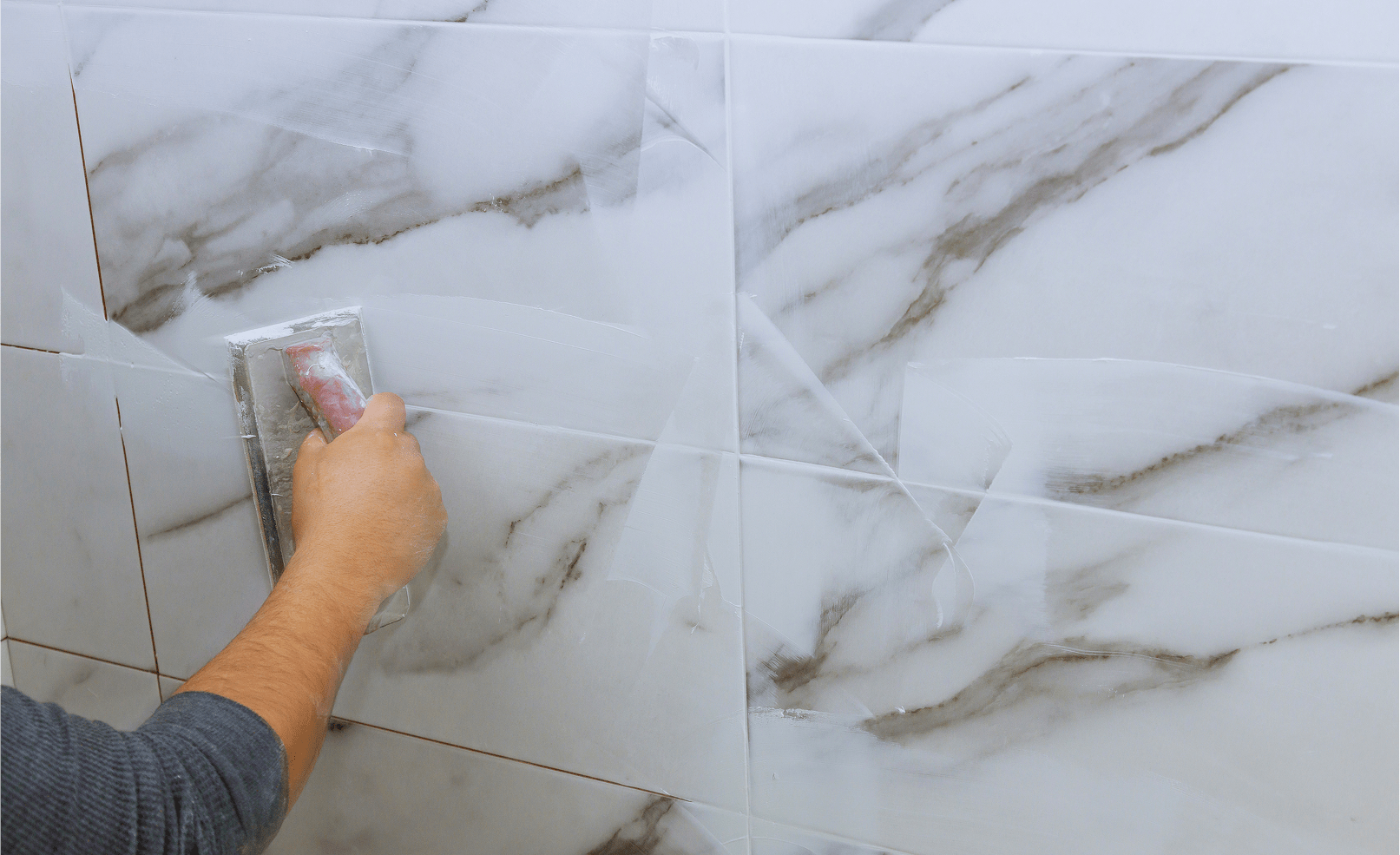
Step 3: Applying the Grout

Timeline: 1-3 hours (depending on area)
Now for the main event!

  • Work in sections (1-2 square metres at a time)
  • Load the grout float with a generous amount
  • Apply at 45° angle to tile surface
  • Push grout deep into joints
  • Work diagonally across tiles (not parallel to joints)
  • Make multiple passes to pack joints fully
  • Scrape excess holding float at a 90° angle

Visual Cue: Joints should be filled, level with or slightly below the tile surface.

Technique Tips:

  • Apply firm, consistent pressure
  • Overlap your strokes
  • Don’t leave voids or air pockets
  • Speed matters: work efficiently but thoroughly

Common Mistake #2: Applying grout too thin or with gaps
Result: Water infiltration, tile movement, premature failure

Step 4: Cleaning Excess Grout

Timeline: 30-60 minutes. This is where patience pays off.

Critical Timing: Start cleaning when grout is “thumbprint firm” (10-30 minutes after application)

First Pass (Damp Sponge):

  • Use a barely damp sponge (wring it out thoroughly)
  • Wipe diagonally across tiles
  • Rinse sponge frequently in clean water
  • Use separate bucket for rinse water
  • Don’t pull grout from joints
  • Make gentle, sweeping motions

Second Pass (After 15-20 minutes):

  • Repeat with a cleaner sponge
  • Focus on haze removal
  • Shape grout lines with sponge edge if needed

Final Pass (When grout is hazy but firm):

  • Buff with a dry microfibre cloth
  • Remove all residue
  • Inspect joints for consistency

Australian Humidity Tip: High humidity slows drying. Use fans to accelerate, but don’t dry too quickly, or the grout may crack.

Common Mistake #3: Too much water during cleanup
Result: Weakened grout surface, discolouration, pitting

Step 5: Curing & Sealing

Timeline: 24-72+ hours
Patience is your best mate during this phase.
Curing Timeline (Australian Climate):

Climate Condition

Curing Time

Foot Traffic

Sealing Time

Dry, warm

24 hours

24 hours

48-72 hours

Humid, cool

48-72 hours

48 hours

5-7 days

Wet areas

72 hours

72 hours

7-10 days

During Curing:

  • No water exposure
  • No foot traffic
  • No cleaning products
  • Good ventilation (but not direct heat/fans on grout)

Sealing Cementitious Grout:

Sealing is crucial for preventing staining, reducing water absorption, inhibiting mould growth, and extending grout life.

Application:

  • Ensure complete dryness (crucial in humid climates)
  • Apply sealer with a brush or applicator
  • Follow the manufacturer’s instructions
  • Wipe excess from the tile surface immediately
  • Apply a second coat for wet areas
  • Wait 24 hours before water exposure

Re-sealing Schedule (Australian Climate):

  • Bathrooms: Annually
  • Kitchens: Every 2 years
  • Low-traffic areas: Every 3 years

Epoxy Grout: No sealing needed, one reason professionals prefer it!

Step 6: Finishing Touches

Silicone Sealant for Change-of-Plane Joints:

Critical locations include wall-to-floor corners, shower base edges, benchtop-to-wall joins, and around fixtures.

Why silicone instead of grout? It allows movement and expansion, provides better waterproofing, and prevents cracking.

Application:

  • Tape edges for clean lines
  • Apply a smooth, continuous bead
  • Use a wet finger or a shaper
  • Remove tape immediately
  • Allow 24 hours to cure

Final Inspection Checklist:

  • All joints are filled
  • Consistent colour throughout
  • No voids or air pockets
  • Clean tile surfaces
  • Proper silicone at corners
  • No haze or residue

Top 7 Grouting Mistakes And How to Avoid Them?

We see these mistakes constantly when we’re called in to fix dodgy DIY grouting jobs. Learn from others’ failures.

Mistake #1: Rushing the Prep Work

  • What happens: The grout doesn’t adhere properly, premature failure occurs within months, and mould growth occurs behind the grout.

  • How to avoid: Spend 50% of your time on prep, ensure complete dryness, and remove all old grout completely.

  • When it’s gone wrong: If grout is crumbling or discolouring within 6 months, you’ll need a regrouting assessment.

Mistake #2: Wrong Grout for the Job

  • What happens: mold growth in wet areas (cementitious in showers), cracking in wide joints (unsanded), or scratched tiles (sanded on polished marble).

  • How to avoid: Use sanded grout for joints >3mm, use epoxy for showers and wet areas, and match grout to tile type.

  • Reality check: Shower regrouting with epoxy is a professional job worth every cent.

Mistake #3: Incorrect Mixing Ratio

  • What happens: Too much water creates weak, porous grout. Too dry, it won’t adhere and crumbles. Both lead to a chalky appearance and premature failure.

  • How to avoid: Follow the manufacturer’s ratios exactly, aim for a thick peanut butter consistency, and never add water after slaking.

Mistake #4: Not Working in Sections

  • What happens: Grout dries before cleaning, becomes impossible to remove from the tile surface, creates uneven joints, and makes for exhausting cleanup.
  • How to avoid: Work 1-2 sqm at a time, adjust for temperature and humidity, and clean as you go.
  • Hot tip: On a 35°C Brisbane summer day, work even smaller sections!

Mistake #5: Too Much Water When Cleaning

  • What happens: washes pigment from grout (uneven colour), weakens surface layer, creates pitting and holes, and reduces water resistance.
  • How to avoid: Use a barely damp sponge, rinse frequently, and use multiple gentle passes instead of one aggressive scrub.

Mistake #6: Walking on Grout Too Soon

  • What happens: Footprints and damage, weakened structure, uneven curing, and cracking.

  • How to avoid: Check the manufacturer’s curing time, add 24-48 hours in humid weather, and barricade the area from kids and pets.

Mistake #7: Skipping the Sealer

  • What happens: staining and discolouration, mould growth, water infiltration, and early deterioration.
  • How to avoid: Always seal cementitious grout, wait for complete drying (critical in Aussie humidity), and reseal annually for bathrooms.
    Professional insight: This is why we use epoxy; no sealing is ever needed.

How to Tell If Your Grouting Is Up to Scratch?

Finished your grouting job? Here’s how to assess whether you’ve nailed it or if there are issues to address.

Visual Inspection Checklist

Quality Indicator

What to Look For

Pass/Fail

Coverage

No gaps, voids, or holes in joints

All joints 100% filled

Consistency

Even colour throughout

No light/dark patches

Surface Level

Grout slightly below the tile surface

Smooth, uniform depth

Cleanliness

No haze or residue on tiles

Crystal clear

Corners

Silicone (not grout) at the change-of-plane

Smooth silicone beads

Straightness

Grout lines follow tile edges

Clean, defined lines

The Water Test (Critical for Bathrooms)

How to perform (after full curing):

  • Spray joints with a water bottle
  • Observe for 30-60 minutes
  • Check for:
    • Water beading on surface (good)
    • Water absorption (needs sealing)
    • Darkening (potential waterproofing issue)

Interpretation:

  • Good: Water beads and runs off
  • Needs sealing: Water darkens grout slightly
  • Problem: Water absorbed quickly, grout stays dark
  • For showers: Consider professional leak detection if concerned.

Common Failure Signs (First 6-12 Months)

Immediate professional assessment needed:

  • Cracking grout lines: Substrate movement or wrong grout type
  • Mould growth: Poor waterproofing or ventilation
  • Discolouration: Water infiltration or efflorescence
  • Crumbling grout: Mixing errors or premature water exposure
  • Grout pulling away: Adhesion failure

Reality check: If you’re seeing these signs, the issue might be deeper than the grout itself. Waterproofing failure, substrate problems, or tile movement often require professional diagnosis.

Get a professional assessment from Aquatech Grouting, and we’ll tell you straight if it’s an easy fix or a bigger issue.

Grout Maintenance Guide

You’ve done the hard yards getting your grouting right. Now let’s keep it that way!

Regular Grout Cleaning Schedule

Frequency

Task

Method

Time Required

Daily

Wipe down after use

Squeegee shower walls

30 seconds

Weekly

General clean

pH-neutral cleaner, soft brush

10-15 mins

Monthly

Deep clean

Grout-specific cleaner

30-45 mins

Annually

Re-seal (cementitious)

Grout sealer application

1-2 hours

Every 5-7 years

Professional regrout

Natural Grout Cleaning Solutions

Bicarb Soda + Water Paste:

  • Mix: 3 parts bicarb to 1 part water
  • Apply with toothbrush to grout lines
  • Scrub gently in circular motions
  • Rinse thoroughly
  • Best for: Light staining, general maintenance

White Vinegar Solution:

  • Mix: 1 part white vinegar to 1 part water
  • Spray on grout, leave 5-10 minutes
  • Scrub with a soft brush
  • Rinse well
  • Best for: Soap scum, mild mildew

Warning: Don’t use vinegar on marble or natural stone tiles (acidic damage)

For Mould & Mildew (Common in Aussie Bathrooms): Bicarb & Vinegar Combo:

  • Sprinkle bicarb on grout lines
  • Spray vinegar over top (foaming action)
  • Let’s sit for 10-15 minutes
  • Scrub with a stiff brush
  • Rinse thoroughly
  • Dry completely

Hydrogen Peroxide (3%):

  • Apply directly to discoloured grout
  • Let’s sit for 15-20 minutes
  • Scrub and rinse
  • Best for: Stubborn mould stains

Tea Tree Oil (Natural Mould Killer):

  • 10 drops per cup of water
    Spray and leave (don’t rinse)
  • Best for: Mould prevention in humid climates

What NOT to Use?

  • Bleach: Deteriorates grout over time, harsh fumes
  • Ammonia-based cleaners: Too alkaline, damages the sealer
  • Acidic cleaners: Erode cementitious grout
  • Wire brushes: Scratches and removes grout
  • Steam cleaners: Can damage the waterproofing membrane

Mould Prevention in the Australian Climate

High-Risk Areas (Brisbane, Gold Coast, Sunshine Coast):

  • Bathrooms without windows
  • Poorly ventilated wet areas
  • Laundries
  • Coastal properties

Prevention Strategies:

  • Ventilation: Run the exhaust fan for 20 minutes after showers
  • Squeegee: Remove water from shower walls daily
  • Air circulation: Open windows when possible
  • Dehumidifier: For chronically damp bathrooms
  • Regular cleaning: Weekly prevention stops monthly problems

When mould keeps coming back: This might indicate failed waterproofing or poor substrate prep. Professional inspection recommended: Leak detection service.

When Good Grout Goes Bad: Troubleshooting Guide

Even the best grouting jobs can develop issues over time (especially in our climate). Here’s how to diagnose and decide: DIY fix or call the experts?

Problem #1: Cracking Grout Lines

  • Symptoms: Hairline cracks, widening gaps, pieces falling out
  • Possible Causes: Substrate movement, wrong grout type, too much water in the mix, insufficient expansion joints
  • DIY Fix Potential: Limited

Quick assessment:

  • Hairline cracks, stable tiles: Can patch with matching grout
  • Widespread cracking, tiles moving: Professional assessment needed
  • Cracking around the shower base: Waterproofing failure (professional)

Problem #2: Mould & Mildew Growth

  • Symptoms: Black or green spots, musty smell, recurring after cleaning
  • Possible Causes: Poor ventilation, failed waterproofing, unsealed grout, substrate moisture
  • DIY Fix Potential: Moderate (surface mould yes, recurring mould no)

Surface Mould Treatment:

  • Natural solution: Tea tree oil or hydrogen peroxide
  • Apply to affected areas
  • Scrub with a brush
  • Rinse and dry thoroughly
  • Re-seal grout
  • Improve ventilation

Red flags requiring professional intervention:

  • Mould returns within weeks after treatment
  • Mould spreading despite good ventilation
  • Musty smell persistent
  • Grout soft or crumbling when touched

Reality check: Recurring mould often indicates water getting behind tiles, a waterproofing membrane failure. This requires professional waterproofing repair, not just regrouting.

Sometimes It's Better to Call a Pro

Look, we’re grouting professionals, and yeah, we’d love your business. But we respect the DIY spirit; there’s satisfaction in doing it yourself. That said, there are situations where calling in experts saves you time, money, and a heap of frustration.

When DIY Grouting Makes Sense?

Go for it yourself when:

  • Small areas (kitchen backsplash, bathroom wall tiles)
  • Low-moisture environments (not shower floors)
  • Cementitious grout is suitable
  • You’ve got time and patience
  • Surface-level regrouting (old grout intact)
  • The budget is very tight
  • You enjoy hands-on projects

When Professional Grouting Is Worth Every Cent?

Call the experts when:
Shower Regrouting & Wet Areas:

  • Shower floors and walls
  • Pools and spa areas
  • Outdoor wet areas
  • Commercial kitchens

Why professionals for showers?

  • Waterproofing compliance (AS 3740 standards)
  • Epoxy grout expertise (tricky DIY application)
  • Leak prevention (shower leaks cost $1,000s in damage)
  • Warranty protection (professional guarantees)
  • Speed (shower back in use within 48 hours vs week-long DIY)

Cost-Benefit Analysis (Brisbane/Gold Coast)

Typical DIY Costs:

  • Small bathroom walls: $80-150 (materials + tools)
  • Time investment: 8-16 hours (first-timer)

Professional Costs (Aquatech indicative):

  • Small bathroom walls: $400-600
  • Shower regrouting (full): $800-1,200
  • Time: Job completed in 1-2 days

Real-world scenario: DIY shower regrouting: $150 materials + 12 hours work = possible redo in 2-3 years

Professional shower regrouting: $900 + zero hassle = 15+ years durability

Cost per year:

  • DIY: $50-75/year (if successful)
  • Professional: $50-60/year over the life of the grout.

Our Honest Recommendation

Kitchen backsplash or bathroom wall tiles?

  • Give DIY a crack! Use our guide.

Shower floor or wet area?

  • Get a professional quote. Water damage costs way more than prevention.

Existing grout failing or mould recurring?

Commercial or large residential?

  • Professional efficiency saves money long-term.

What Aquatech Brings to the Table?

Professional-Grade Materials:

  • Epoxy grout (not available at mainstream retailers)
  • Commercial waterproofing systems
  • Professional-grade sealants
  • Long-lasting results

Expertise:

  • 15+ years specialising in grouting
  • AS 3740 waterproofing compliance
  • Leak detection technology
  • Brisbane/Gold Coast climate knowledge
  • Service Areas: Brisbane, Gold Coast, Sunshine Coast

Get Your Free Quote

Ready to Get Started?

You now have all the knowledge you need to tackle a DIY grouting project successfully! Remember these key takeaways:

  • Preparation is 50% of success
  • Choose the right grout for Australian conditions
  • Work in manageable sections
  • Keep your sponge barely damp during cleanup
  • Be patient during curing
  • Always seal cementitious grout
  • Know when to call professionals (showers!)

Need Professional Help?

For shower regrouting, leak detection, or when your DIY project reveals bigger issues, Aquatech Grouting is here to help.

Our Services:

Get a Free Assessment: Contact us today

Service Areas: Brisbane | Gold Coast | Sunshine Coast

Good luck with your grouting project, and remember, if it’s a shower, give us a call. Your future self will thank you.

FAQs

How long does grout take to dry in Brisbane's humid climate?

Curing time varies with humidity levels. In typical Brisbane conditions: Touch-dry takes 24-48 hours, foot traffic is safe after 48-72 hours, water exposure should wait 72+ hours, and sealing should be done after 7-10 days for complete drying. Epoxy grout cures faster and is less affected by humidity (24 hours).

Darker grout (medium to charcoal grey) hides dirt and staining better than white grout. However, proper sealing matters more than colour for longevity. For coastal areas, ensure grout is salt-resistant.

Only if existing grout is solid and you’re adding minimal thickness. Better practice is removing old grout to 5-10 mm for proper adhesion. For wet areas, always remove old grout completely.

For showers, pools, and commercial kitchens, absolutely. Epoxy costs 3-4x more but lasts 3x longer, never needs sealing, resists mould, and prevents water penetration. For dry areas with light use, cementitious grout is adequate.

With quality epoxy grout: 15-20+ years. With sealed cementitious grout: 5-7 years. With unsealed cementitious: 2-3 years. Signs it’s time: cracking, mould, water stains, grout crumbling.

No! This is one of epoxy’s main advantages – it’s non-porous and doesn’t require sealing.

Seal all cementitious grout, improve ventilation (exhaust fans), squeegee shower walls daily, keep humidity below 60%, use epoxy grout in wet areas, and clean regularly with anti-mould solutions. Recurring mould often indicates waterproofing issues.

NO. Grout is NOT waterproofing. You need a proper waterproof membrane beneath tiles (per AS 3740). Grout is the surface seal; membrane is the true waterproof barrier.