

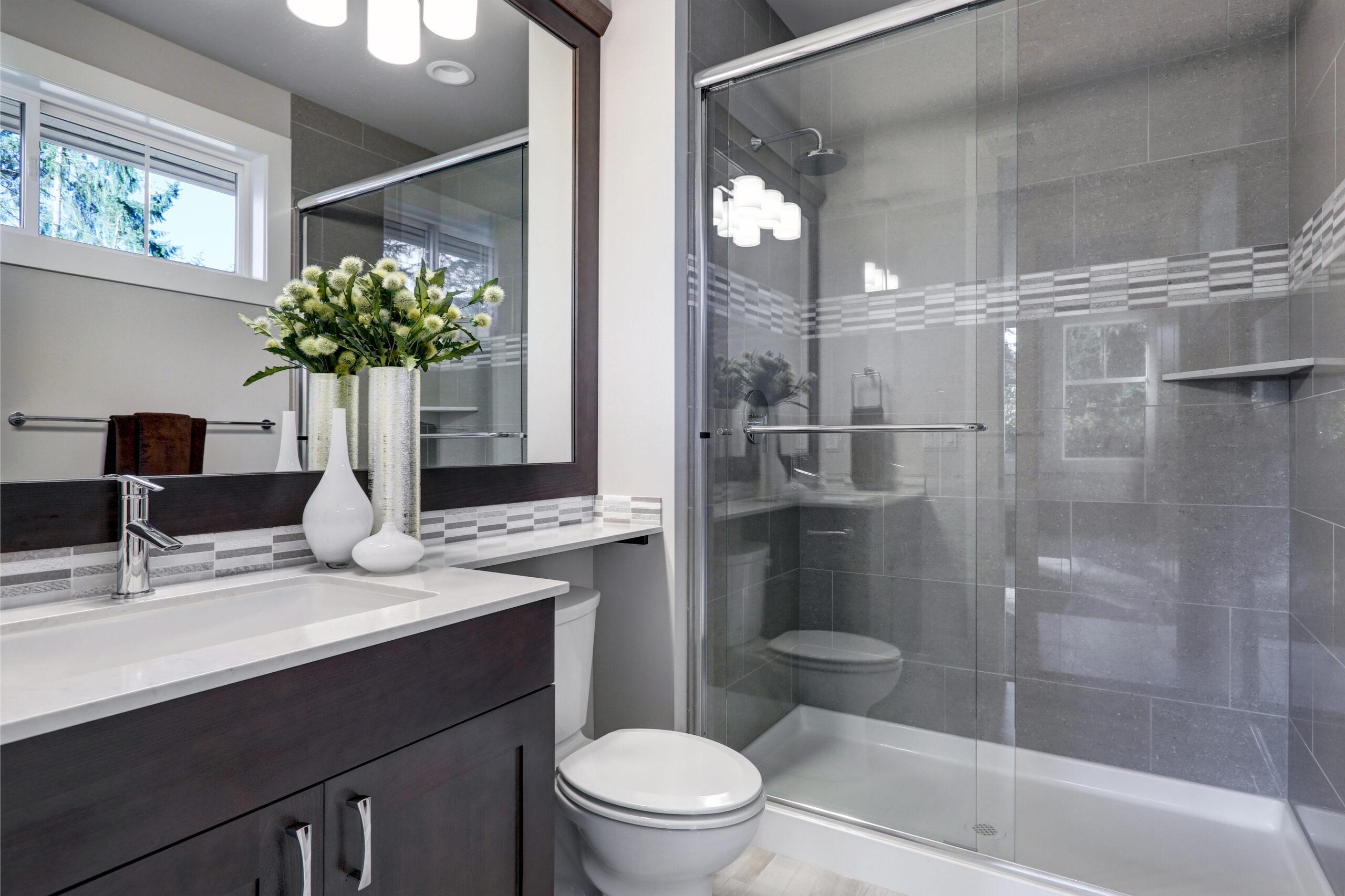
Renovating a bathroom is one of the more demanding projects a homeowner can take on. It involves plumbers, tilers, waterproofers, electricians, cabinetmakers, and sometimes carpenters, all working in one of the smallest rooms in the house, under strict waterproofing requirements, with very little room for error.
This guide is for homeowners who are preparing to hire tradespeople and want to understand what a bathroom renovation actually costs in 2026, what drives those costs up or down, and how to sequence the job properly. The goal is to help you spot a realistic quote, avoid tradesmen cutting corners on waterproofing, and ultimately stop you from making the expensive mistakes that most homeowners only learn about after the tiles are already laid.
If you are at the beginning of the process, all of it is relevant. If you are midway through planning, jump to the section that matches your current decision.
A bathroom renovation is the process of updating, repairing, or completely rebuilding a bathroom to improve its function, safety, and aesthetics.
It is a highly regulated structural process because it involves managing water in a wet area. It is rarely just a cosmetic update; it usually involves coordinating multiple licensed trades to ensure the room is watertight and compliant with building codes.
Here is a breakdown of the three main types of bathroom renovations:
This involves updating the visible surfaces without moving any plumbing or altering the room’s footprint.
This involves tearing the bathroom back to the bare wall framing (studs) and subfloor, but keeping the toilet, shower, and vanity in their original positions.
This is a complete rebuild that changes the footprint or layout of the room.
Regardless of the scale, a true bathroom renovation in Australia almost always requires three critical stages:
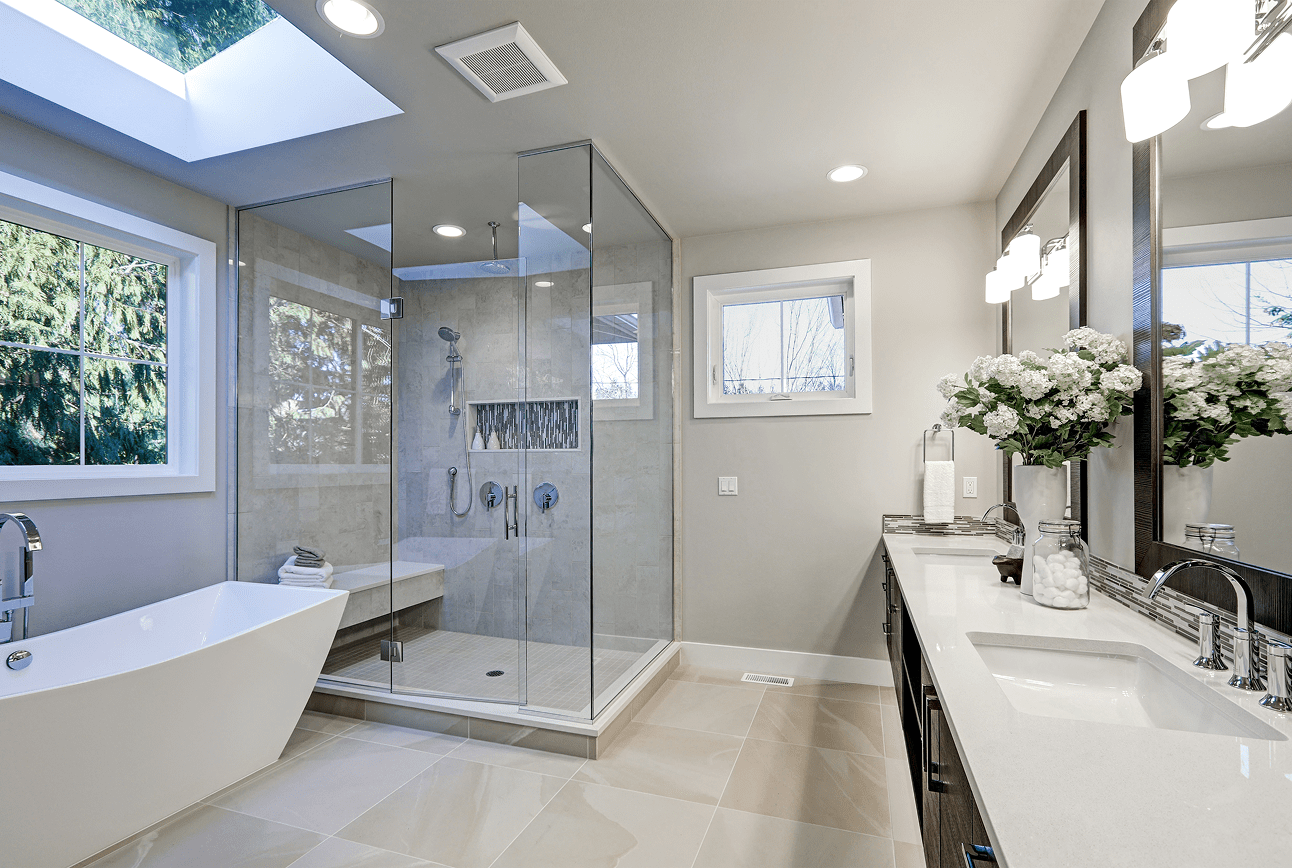
The average bathroom renovation cost in Australia ranges from $15,000 to $35,000 for a standard full renovation. That figure is not a scare tactic. It reflects the true cost of properly waterproofing, tiling, plumbing, fitting, and finishing a wet area to a standard that will last and protect the structure of your home.
That said, the range is wide because the scope varies enormously. A cosmetic refresh with new tapware, a vanity swap, and fresh tile grout sits at one end. A full gut and rebuild with moved plumbing, premium tiles, and custom cabinetry sits at the other.
Here is how the Australian market broadly breaks down:
| Renovation Tier | Scope | Average Cost |
|---|---|---|
| Cosmetic update | Tapware, fixtures, grout renewal, and painting | $3,000 to $8,000 |
| Basic full renovation | Like-for-like replacement, same layout | $15,000 to $25,000 |
| Mid range renovation | New layout, quality fittings, full retile | $25,000 to $45,000 |
| High end renovation | Premium materials, moved plumbing, custom work | $45,000 to $65,000 and above |
The layout question is the biggest cost driver of all. Keeping your toilet, vanity, shower, and bath in the same positions preserves the existing plumbing rough-in. Moving even one fixture triggers additional plumbing work, adding thousands to the bill before a single tile goes on the wall.
The relationship between renovation scope and waterproofing requirement is direct: a cosmetic update that leaves existing tiles in place does not require a new waterproofing membrane.
A full re-tile exposes the substrate, which triggers a mandatory membrane application under Australian building standards. That single obligation is why the cost step from cosmetic to full renovation is so large.
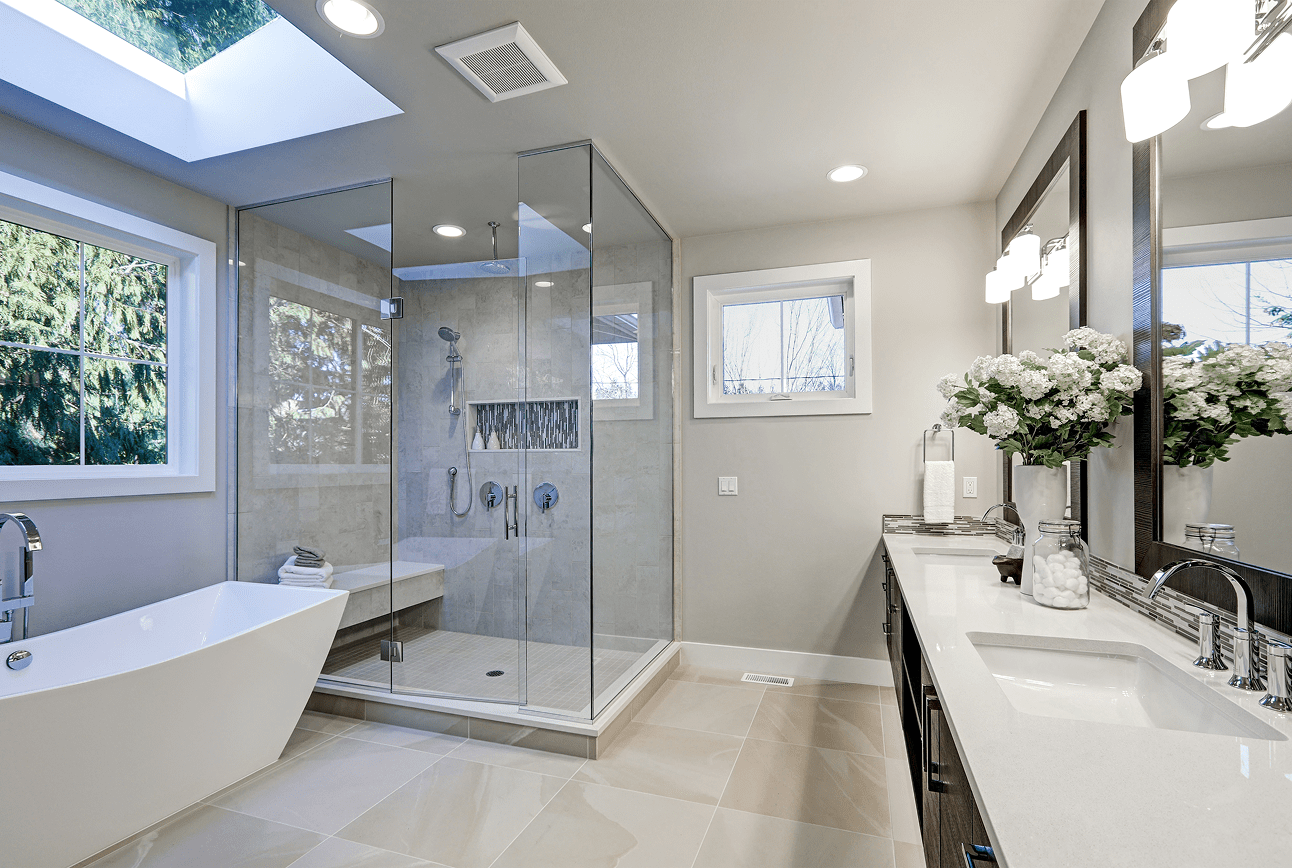
A small bathroom renovation in Australia typically costs between $10,000 and $25,000 for a professional job. For a tight powder room or a compact en-suite, a budget of $15,000 to $20,000 is realistic if the layout remains the same and you use mid-range products. Some homeowners reduce costs to $5,000 to $8,000 by handling some of the work themselves and opting for basic fixtures.
The caution here: waterproofing and tiling in a wet area are not forgiving of inexperience. A failed waterproofing membrane in a bathroom above a living room or over a timber subfloor is not a $500 fix. It is a demolition, a rebuild, and a mould remediation job. Small savings upfront can become high costs later.
Understanding what each trade charges helps you read a quote critically. These are the typical rates for qualified tradespeople working on bathroom renovations in Australia:
| Trade | Typical Cost |
|---|---|
| Plumber | $80 to $250 per hour |
| Licensed tiler | $45 to $140 per hour (often quoted per square metre) |
| Waterproofing specialist | $500 to $750 for an average bathroom membrane |
| Electrician | $75 to $100 per hour |
| Carpenter | $45 to $100 per hour |
| Cabinet maker | $40 to $100 per hour |
| Glazier (shower screens) | $65 to $100 per hour |
| Painter and plasterer | $40 to $70 per hour |
Labour makes up the majority of any renovation invoice. The materials are a smaller share than most people expect.
The relationship between trade sequencing and total labour cost matters here: a plumber returning to the site because the tiler was booked before the waterproofer had cured the membrane is a billable revisit. Each trade that works out of order adds cost that no quote accounts for upfront.
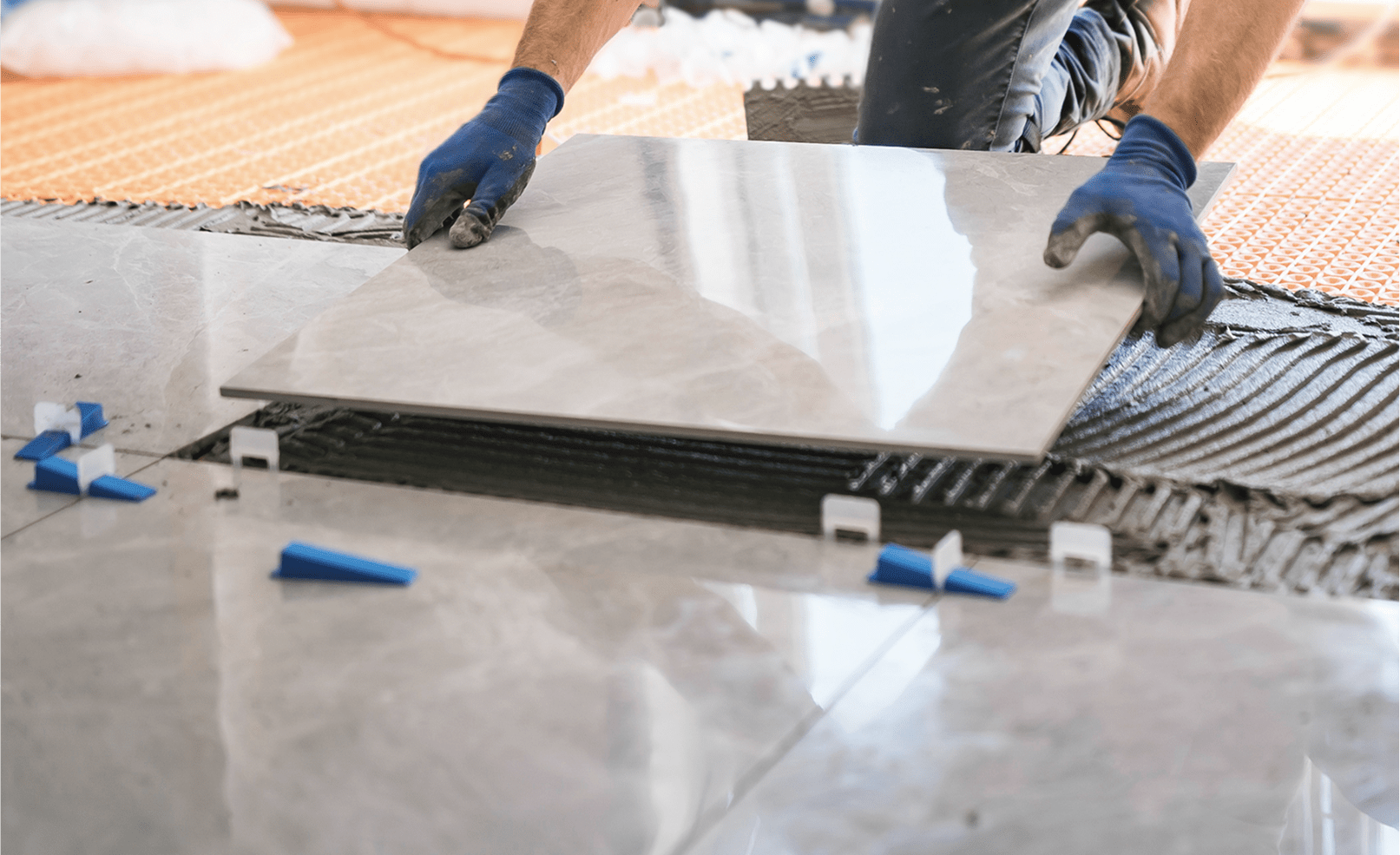
A standard bathroom renovation takes three to eight weeks from the first day of demolition to the final fixture installation, depending on the scope of work and the rate at which materials arrive.
That timeline often surprises people. The build phase itself may take three to four weeks. But planning, quoting, material selection, lead times for custom vanities, tile orders, and managing trade availability all stretch the overall project.
Here is a realistic breakdown of each stage:
| Stage | Typical Duration |
|---|---|
| Planning, design, and quoting | Two to four weeks |
| Material procurement and lead times | One to four weeks |
| Demolition | One to two days |
| Waterproofing and membrane cure | Three to five days |
| Tiling (floor and walls) | Three to five days |
| Plumbing rough-in and fixture installation | Two to three days |
| Cabinetry and vanity installation | One to two days |
| Electrical and lighting | One to two days |
| Silicone, grouting, and finishing | One to two days |
| Final clean and inspection | One day |
The waterproofing cure phase is non-negotiable. A membrane needs time to cure fully before tiles are installed. Any trade that suggests rushing this stage is saving time at the expense of your bathroom’s structural integrity.
The relationship between membrane cure time and tile adhesive bond strength is direct: a membrane that is not fully cured will flex under the tile adhesive layer, which prevents the adhesive from achieving its rated bond strength. Tiles laid on an undercured membrane are at higher risk of hollow spots and eventual cracking, two failure modes that are indistinguishable from tile adhesive failure unless the substrate is exposed.
Most bathroom renovation problems start with poor planning, not poor execution. The decisions you make on paper before anyone picks up a tool determine whether the project finishes on budget and looks the way you intended.
The reason matters more than it sounds. A bathroom being renovated because it is leaking and structurally compromised is a different project from one being renovated purely for aesthetics. The former has a non-negotiable floor to the scope of work. The latter has flexibility.
Common reasons for bathroom renovation:
Knowing your reason keeps the scope honest. A homeowner renovating to fix a structural water problem should not let the project expand into a full premium renovation unless that was always the intention.
Virtually every budget blowout in bathroom renovation comes from making design decisions before setting a firm financial ceiling. Once you have selected a particular tile, your brain anchors to that quality level, and every subsequent decision tries to match it.
Set your total number first. Then divide it roughly: about 40 to 50 percent to labor, 25 to 35 percent to fixtures and fittings, 15 to 20 percent to tiles and surfaces, and a 10 to 15 percent contingency for what you will find when the walls come off.
That contingency is real. Demolition regularly reveals waterproofing failures, rotted substrate, outdated plumbing connections, and subfloor damage that were not visible before work began. A bathroom that has been leaking slowly for years, even without visible signs at the surface, can have significant concealed damage underneath.
If your budget is genuinely tight, focus money on the things that cannot be changed cheaply later: waterproofing, tile substrate, plumbing connections, and the shower base. Skimp on the decorative elements. A basic vanity can be replaced in an afternoon. A failed waterproofing membrane means tearing out every tile you just paid to lay.
The relationship between grout selection and renovation budget longevity is often overlooked during planning: spending an additional $300 to $500 on epoxy grout in the shower zone at the time of renovation extends the interval before regrouting is needed from eight years to fifteen years or more. That results in a lower total cost of ownership over the bathroom’s life, even though it increases the upfront renovation invoice.
Most like-for-like bathroom renovations do not require council approval. You can replace a vanity with an identical one, swap a showerhead, retile, or regrout without any formal consent process.
What triggers the need for approval?
Check with your local council before the project if there is any doubt. A licensed plumber and a licensed builder can also advise on what requires sign-off in your specific state. The rules differ slightly across Queensland, New South Wales, Victoria, and the other states.
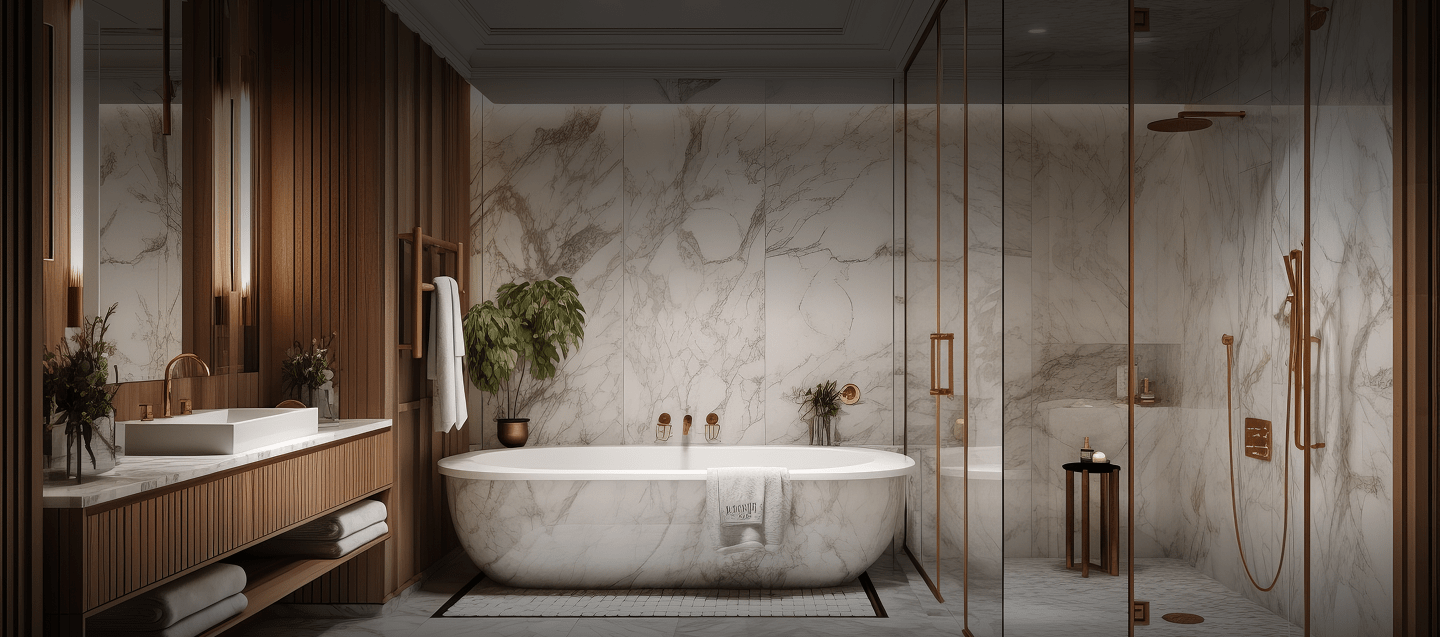
The layout of your bathroom determines the plumbing run positions, which in turn determines a large portion of the project cost.
A bathroom renovation that keeps every fixture in its existing position is called a like-for-like renovation. It is the most cost-efficient approach because the plumber is extending and reconnecting existing rough-ins rather than running new ones. In a basic to mid-range renovation, keeping the layout yields $5,000 to $10,000 in savings compared to moving fixtures.
When the existing layout genuinely does not work for you, it is worth paying to change it. A poorly designed bathroom that forces people to squeeze past the door to reach the vanity or places the toilet directly in the sightline from the door is an irritation that compounds daily.
The elements of a functional bathroom layout:
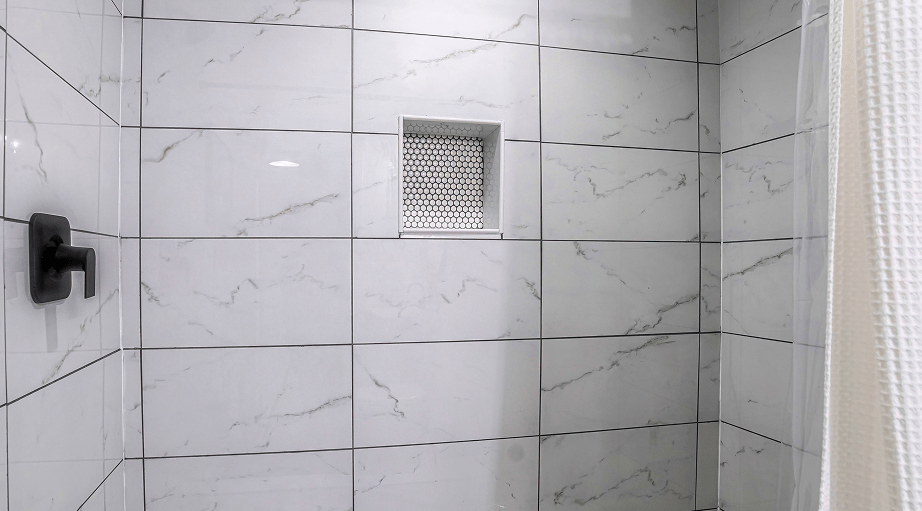
Tiles cover more surface area in a bathroom renovation than any other single material. The tile selection affects cost, installation time, maintenance requirements, slip safety, waterproofing performance, and the overall look of the finished space.
Large format tiles (300mm by 600mm and above) have become the dominant choice in Australian bathroom renovations over the past decade. They work well in medium to large bathrooms and reduce the number of grout joints, which simplifies cleaning and reduces water ingress points.
The relationship between tile format and waterproofing risk is measurable: a shower wall tiled in 50mm mosaics has approximately forty to fifty grout joints per 300mm run. The same wall in 300 mm by 600mm porcelain tiles has two. Each grout joint is a potential water ingress point if the grout degrades or the sealant fails. The tile format is not just a visual decision. It is a waterproofing decision.
In small bathrooms, very large tiles can feel oppressive and may require more cutting waste, which increases cost. Standard 200mm by 400mm wall tiles and 300mm by 300mm floor tiles remain a practical choice for compact spaces.
Mosaic tiles (usually 25 mm to 50 mm per piece) have significantly more grout joints per square metre. They look striking in the right application, but take considerably longer to install and require more product. A shower wall in mosaics will cost noticeably more in labour than the same wall in large-format porcelain.
The most common bathroom tile materials and their practical characteristics:
Australian building codes require bathroom floor tiles to meet minimum slip resistance ratings. For a wet area floor, look for tiles with a P4 or P5 rating under the AS 4586 standard. Most reputable tile suppliers can confirm the slip rating for any product they stock.
A tile that looks beautiful in a showroom but has a P1 or P2 rating is not appropriate for a shower floor.
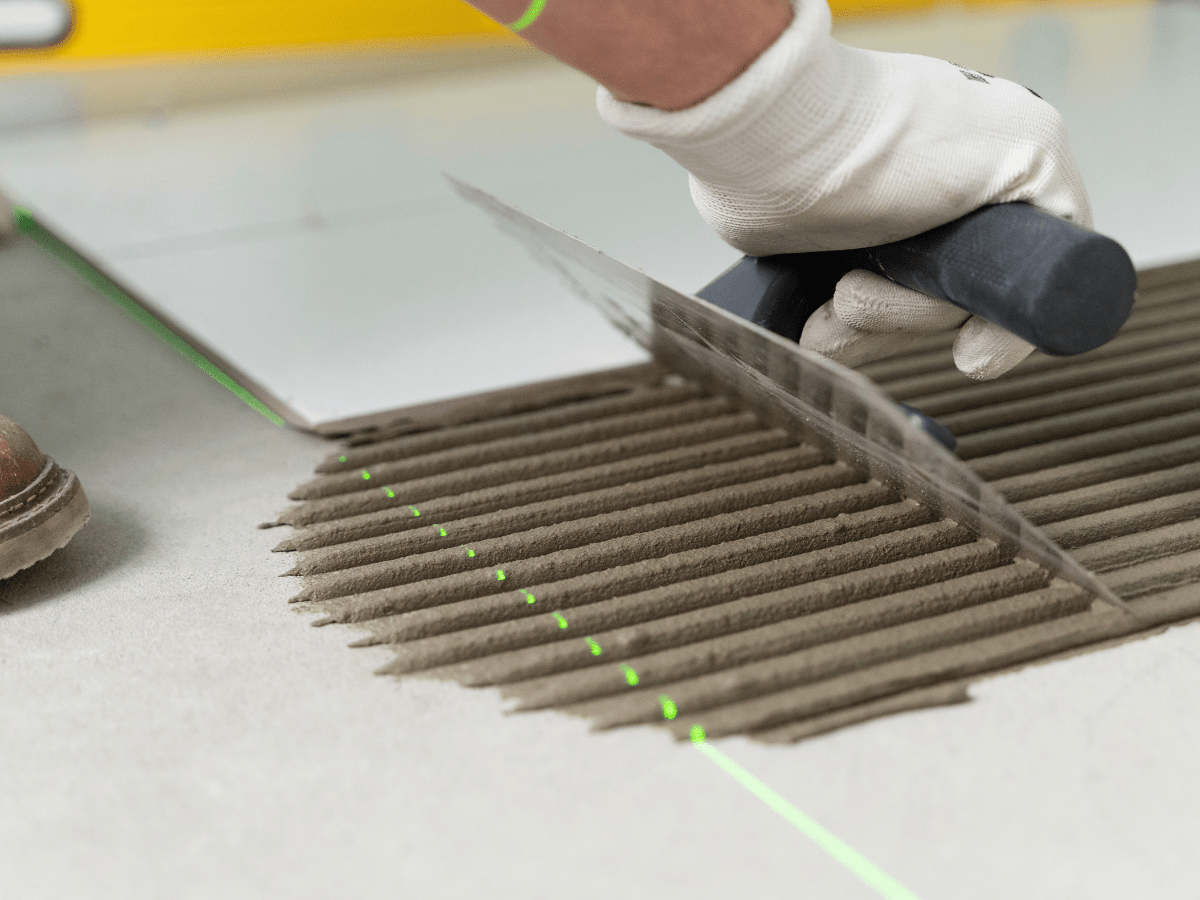
Grout is the material between the tiles. Most homeowners treat it as an afterthought. Any tradesperson who has spent time repairing water-damaged bathrooms knows it is one of the most important material decisions in the whole project.
The choice between cement-based grout and epoxy grout affects how long the bathroom stays sealed, how often it needs maintenance, and whether mold can establish itself in the grout matrix.
The relationship between grout porosity and bathroom ventilation load is less obvious but practically significant: cement-based grout in a poorly ventilated bathroom absorbs moisture from the air, not just from direct water contact.
An exhaust fan that is undersized for the room volume or positioned away from the shower zone means the grout is regularly saturated by ambient humidity between showers, not just during them. That accelerates the mould growth cycle within the grout matrix and shortens the time before regrouting is required.
Cement-based grout is the standard option. It is affordable, widely available, and bonds well with most tile types. It is also porous, which means it absorbs moisture and can harbour mould and staining over time. Cement grout on walls and floors needs to be sealed after application and resealed periodically during the life of the bathroom.
Epoxy grout is non-porous. It does not absorb moisture, cannot harbour mould within the grout body, resists staining from soap scum, and does not require a separate sealer. It costs more to purchase and requires a more skilled application because it has a shorter working time.
The trade-off in a high-use bathroom is worth considering: epoxy grout can hold up for fifteen years or more, compared to eight to twelve years for a well-maintained cement grout installation.
Understanding the difference between these two product families and what each one means for the long-term waterproofing performance of your bathroom is covered in detail in our comparison of epoxy and cement grout and their different waterproofing properties.
Waterproofing is the layer between the tiles and the building structure. In a wet area like a shower or bath surround, Australian building standards require a waterproofing membrane to be applied to the substrate before any tiles are installed.
This membrane is the reason a leaking shower stays in the shower. When the membrane fails, or when it was never applied correctly to begin with, water finds its way into the wall cavity, the subfloor, the ceiling of the room below, and eventually the structural timber framing.
A waterproofing membrane installation in an average bathroom costs $500 to $750 as a standalone service. Within the context of a full renovation, it is folded into the overall project cost. It is not optional, and it is not a place to accept the cheapest available labour.
The membrane must extend up the walls to the correct height, be dressed properly into any floor wastes, and be given adequate cure time before tiling begins. Rushing the cure phase is one of the most common causes of early waterproofing failure.
The relationship between membrane height and tile layout is a planning decision that most homeowners do not know how to make: Australian building standards require the waterproofing membrane to extend a minimum of 150mm above the finished floor level on shower walls.
In practice, the membrane height must be determined before the tile layout is finalised, because the membrane termination point needs to fall within a grout joint, not across the face of a tile. Finalising your tile format and starting height before the waterproofer is on-site prevents a costly rework at the membrane stage.
If you are renovating an older bathroom and are concerned about whether the existing waterproofing is still intact, look for these signs before committing to a cosmetic-only refresh:
Any of these signs should trigger an assessment of the waterproofing condition before you invest in new tiles, new fixtures, or new grout. If you are unsure whether water has reached the membrane layer, our guide on recognising the signs that a waterproofing membrane has failed explains what to look for and what it means for the scope of work required.
The shower is the highest-risk zone in any bathroom for water damage. It is the area that gets the most daily water exposure, experiences the most thermal cycling as hot and cold water alternates, and has the most complex geometry of any surface in the room.
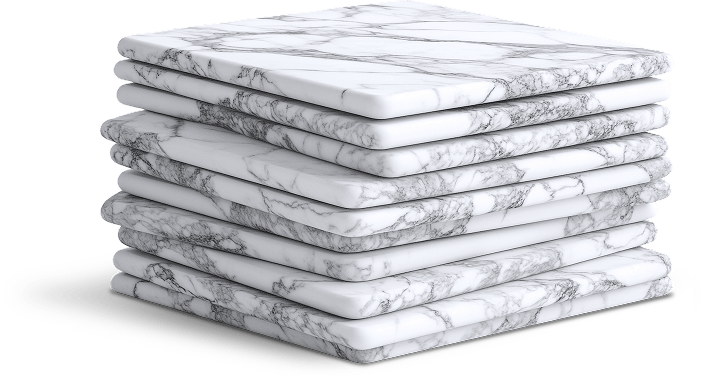
Shower wall tiles should be non-porous or as close to non-porous as practical. Glazed ceramic and porcelain are the most common choices. Natural stone on shower walls is possible, but requires diligent ongoing sealing to prevent water absorption.
Large-format tiles on shower walls reduce grout joint count, which reduces the number of potential water ingress points. They also make the space feel larger than it is, which is useful in a small bathroom.
Fresh grout in a new shower is not sealed. The tile installer will apply grout and clean off the excess, but the grout itself is porous until a penetrating sealer is applied after the grout fully cures. This step is often missed on projects where tradespeople are moving quickly from job to job.
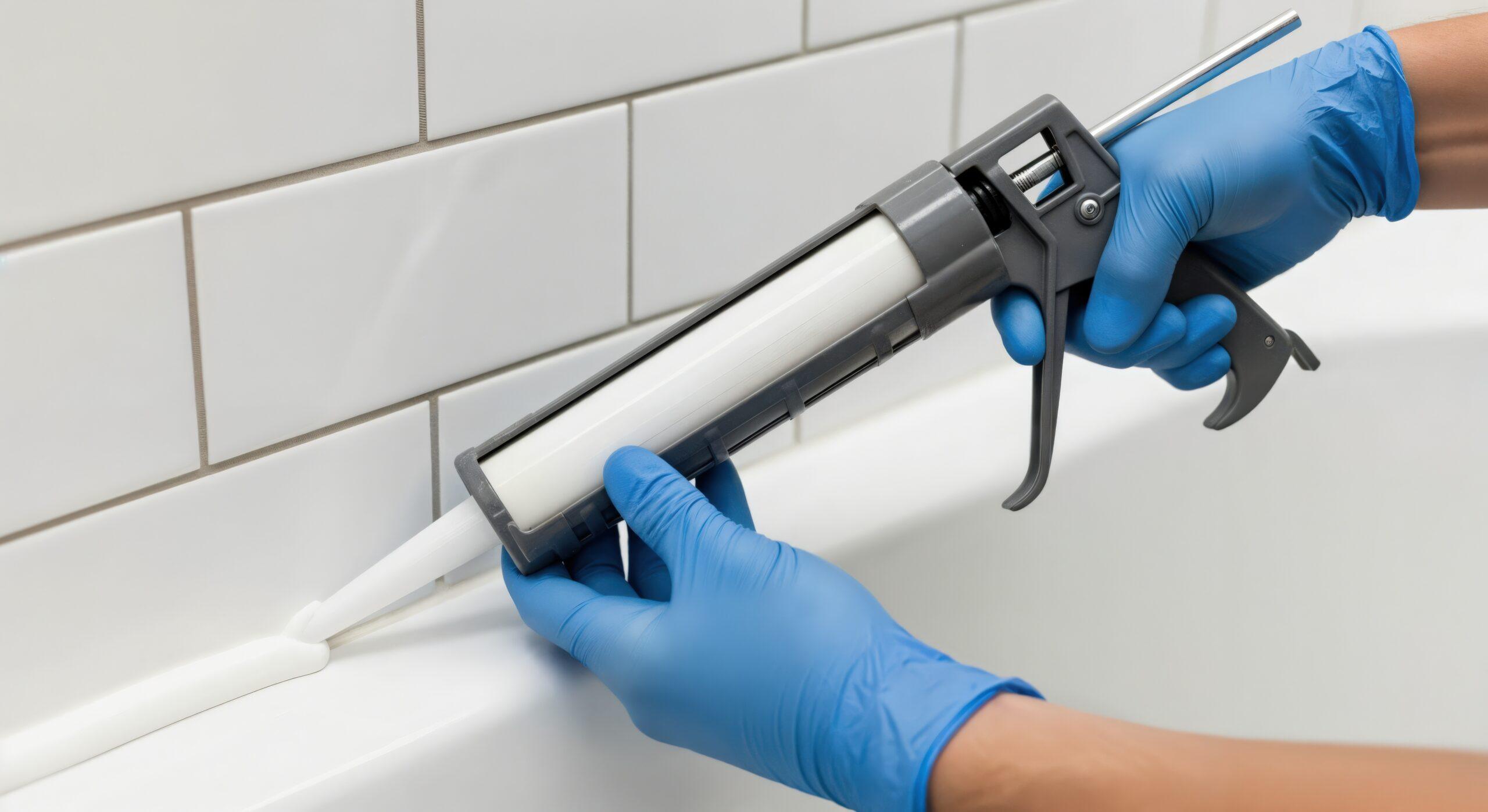
The movement joints at the internal corners and the floor to wall junction in the shower should always be filled with flexible, mould-resistant silicone, not with rigid cement grout. These corners flex with temperature change and the natural minor movement of a house. Rigid grout in a movement joint always eventually cracks, which is one of the most common entry points for water behind shower tiles.
The relationship between silicone failure at movement joints and waterproofing membrane condition below the tiles is sequential: once a corner joint cracks and water enters, it tracks behind the tile adhesive layer and reaches the membrane. If the membrane is intact, the water is directed to the floor waste, and no damage occurs.
If the membrane has any pinholes or an inadequate dressing at the waist, water enters the substrate. This is why a shower that leaks at the base is not always a grout or silicone problem. It may be a membrane problem that became visible only after the surface joints failed.
In an existing bathroom that is showing signs of deterioration but does not need a full renovation, professional regrouting and resealing of the shower is often the right first step. Understanding the full process involved in that type of work, including the difference between mechanical grout removal and surface-only applications, is detailed in our guide on how professional shower regrouting is carried out.
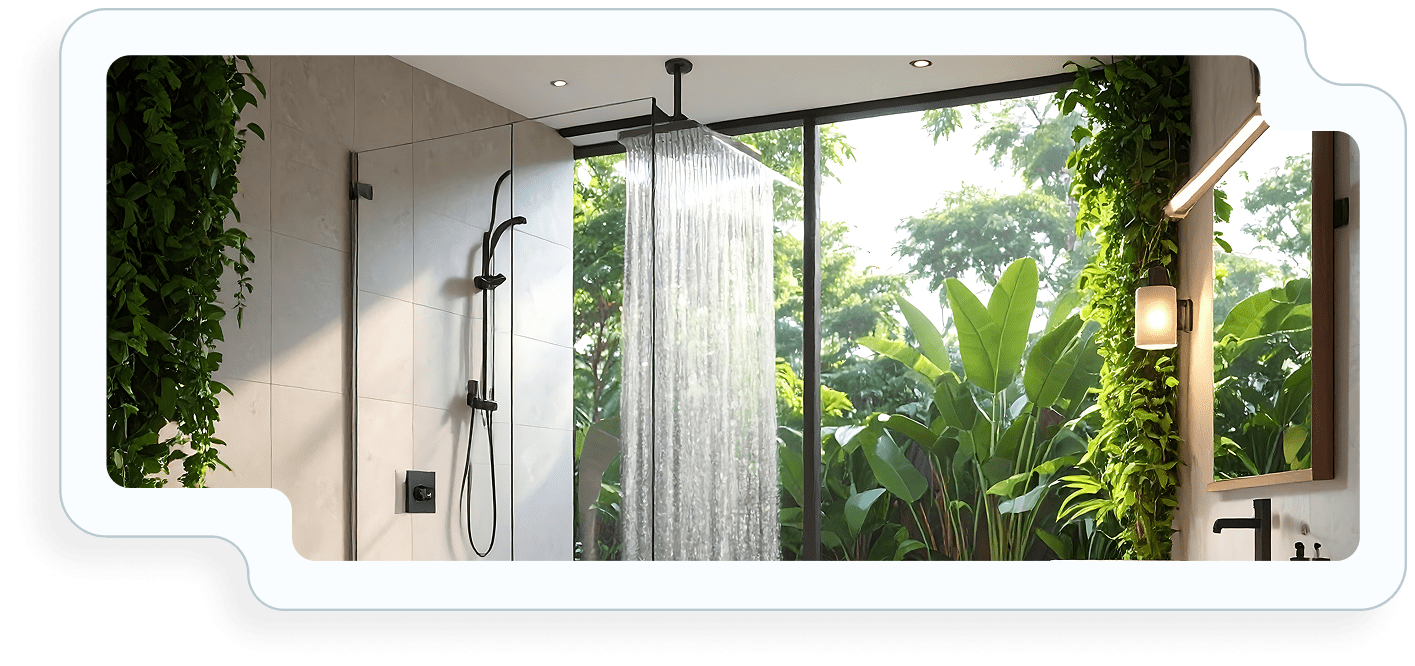
The choice between a framed, semi-frameless and frameless shower screen affects both the look and the maintenance requirements of the shower area. Frameless screens use thicker glass and have fewer metal channels where water can pool and mould can develop. They cost more than framed alternatives but reduce ongoing maintenance considerably.
Pivot doors versus sliding doors is also worth considering based on the space available. Sliding doors stay within the footprint of the shower recess. Pivot or hinged doors require clear floor space outside the shower to open into.
Fixtures are the components attached to the plumbing: the toilet, shower head, tapware, bath, and basin. Fittings are the accessories: towel rails, toilet roll holders, robe hooks, mirrors, and hardware.
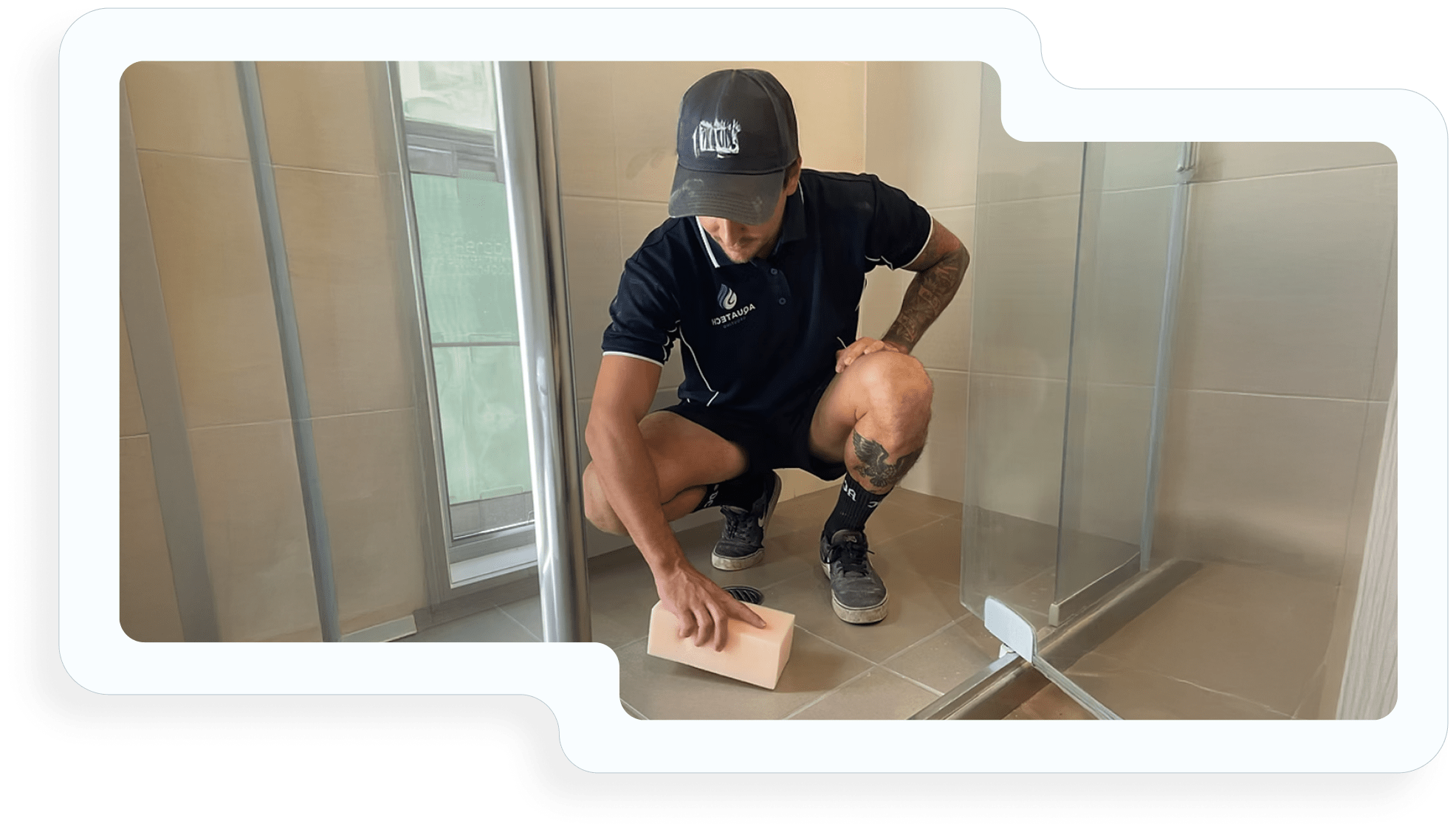
Wall-hung toilets are popular in contemporary bathroom designs. The cistern is concealed in the wall cavity, which creates a clean visual line and makes floor cleaning easier. They cost more to install than floor-mounted cistern toilets because the in-wall cistern frame requires a structural wall cavity and more complex plumbing work.
The relationship between wall-hung toilet installation and waterproofing scope is a practical planning point: the in-wall cistern frame requires a section of wall to be built out, which changes the tile layout, the wet area boundary, and potentially the membrane termination height in that zone. A plumber, waterproofer, and tiler need to coordinate this element before any of them start work, not after.
A quality close-coupled (cistern on top of the pan) toilet from a reputable Australian brand typically costs $300 to $700 for the toilet plus installation labour. In-wall systems add $500 to $1,200 for the framing and concealed cistern alone.
The vanity and basin selection should balance storage, bench space, aesthetics, and the size of the bathroom. In smaller bathrooms, a wall-mounted floating vanity creates visual floor space and makes the room feel larger. The plumbing runs concealed in the wall rather than exposed underneath, which also looks cleaner.
Some bathroom designs prioritise a striking vessel basin as a visual statement. These look excellent in photography and in showrooms. In daily use, they often sacrifice bench space for aesthetics, which becomes more irritating as time goes on. Consider how the bathroom is actually used before prioritising form over function.
Tapware finish is worth coordinating across the full bathroom. Mixing chrome tapware with matte black towel rails and a brushed nickel mirror frame results in a bathroom that looks assembled rather than designed.
Current popular finishes in Australian bathroom renovations include matte black, brushed brass, warm brushed nickel and gunmetal. Chrome remains the most durable and easiest to maintain over time, as it shows water marks less than matte finishes and polishes easily.
Match your toilet flush buttons, toilet roll holders, robe hooks, door hardware, towel rails and mirror frame to the tapware finish. These details are inexpensive individually. Getting them right creates a cohesive and considered look.
A quality fixed overhead showerhead does not require ripping out the shower. In most cases, the existing water supply point can accept a new head without touching the wall.
A rainfall or waterfall overhead requires adequate water pressure to perform as intended. If your home’s water pressure is low, a large-diameter rain head may produce a disappointing flow. A plumber can check the pressure before you purchase.
There is no universally correct style for a bathroom renovation. There are, however, some approaches that age well and some that do not.
Avoid over-tiling in a small bathroom with a large-format tile that requires significant cutting at every edge. And avoid picking multiple competing tile styles in the same space. One primary tile, one secondary tile used as an accent, and consistent hardware is enough.
Not every tired-looking bathroom needs a full renovation to improve significantly. Several high-impact changes can be made without demolition.
When the bathroom has visible signs of water ingress, tilmovement,nt or grout failure, these cosmetic fixes should always be assessed against the waterproofing condition first. A beautifully regrouted shower that has a failed membrane underneath will look good for a few months and then resume leaking. Our team provides professional leaking shower assessment and repair services across Brisbane, the Gold Coast, and the Sunshine Coast for situations where the leak needs to be confirmed and addressed before surface work makes sense.
These are the most common errors that increase cost, reduce the quality of the result, or cause problems within a few years of the renovation being completed.
When should you call a professional grout repair service? Right away if you notice cracking, staining that won’t clean, hollow tiles, or moisture appearing outside the shower area. Every month of delay with a leaking shower can add structural damage costs that far exceed the price of regrouting.
If you’re located in Southeast Queensland, our shower regrouting Brisbane service provides local expertise and convenient booking options.
Some elements of a bathroom renovation are appropriate for a competent DIY homeowner. Most are not.
What you can reasonably do yourself:
What requires a licensed trade in Australia:
The license requirements exist because the failure modes in a bathroom are serious. A plumbing connection that fails can cause significant water damage in minutes. Waterproofing that fails causes damage over months or years before it becomes visible, by which point restoration work is extensive.
If you are an experienced tradesperson or have genuine confidence in these specific skills, DIY can significantly reduce labour costs. If you are not, the labour savings are usually smaller than the cost of fixing problems caused by inexperience. Professional shower tiling and waterproofing services cover the wet area work that most homeowners should not attempt without relevant trade experience.
A bathroom renovation involves multiple trades. Managing them yourself requires coordinating availability, sequencing work correctly, and resolving any disputes about who is responsible for problems that cross trade boundaries.
Many homeowners choose a renovation management company that handles all of this coordination. The fee for this service is usually offset by reduced waste, better trade sequencing, access to trade pricing on materials, and fewer mistakes from trades working out of order.
If you are managing the project yourself, here is the correct trade sequencing:
Getting this sequence wrong causes rework. Tiling before waterproofing is a demolition. Vanity installation before tiling completion locks you into cutting tiles around the plumbing, which reduces the quality of the finish.
Before committing to any trade, ask for a written quote with product specifications, a license number you can verify, evidence of public liability insurance, and references from recent bathroom projects. Our round-up of verified grout and tile specialists servicing different regions of Australia is a useful starting point for finding licensed operators in the tiling and wet area category.
A well-executed bathroom renovation adds value to a property. The return on investment depends on the quality of the work, the proportionality of the spend to the existing home value, and the market conditions at the time of sale.
The relationship between waterproofing quality and property sale value is underappreciated by most vendors: a bathroom that passes a pre-sale inspection without any evidence of moisture ingress, hollow tiles, or grout failure commands a meaningfully different buyer response than one where a building inspector flags wet-area concerns.
The inspection fee for a leaking shower that surfaces during a sale negotiation is not the $300 inspection cost. It is the vendor price adjustment that a buyer requests to account for an unknown remediation scope. Investing in proper waterproofing and grout integrity before listing removes that negotiating lever from the buyer’s hand.
A basic renovation in a property that already has an outdated bathroom consistently returns more than its cost in increased sale price. A $60,000 premium renovation in a property where the market will not support the premium is money spent on lifestyle rather than investment.
For landlords and property managers, a bathroom refresh between tenancies offers a practical calculation: a clean, functional, well-presented bathroom reduces vacancy rates, justifies higher rent and reduces the frequency of maintenance requests. The specific economics depend on the local rental market, but the general case is sound.
If you are renovating before a sale, prioritise fixing any water damage, updating the shower area, and replacing worn fixtures. Buyers notice tile grout before they notice premium taps. A bathroom that looks clean, dry, and functional is more persuasive than one that has expensive features but visible signs of water damage or poor maintenance.
For Brisbane homeowners dealing with a leaking shower before renovation or sale, our shower repair service covering Brisbane and South East Queensland provides assessments and repairs on shower grout, waterproofing, and leaking shower areas before the full renovation commitment is made.
Yes. If the existing waterproofing membrane is being disturbed, compromised or removed as part of re-tiling, new waterproofing must be applied and cured before the new tiles go down. In some cases where only a small section of tiles is being replaced, the licensed tiler can assess whether the existing membrane is intact enough to work around. When in doubt, apply new membrane. The cost of membrane application is minimal relative to the cost of what it protects.
In many bathrooms, yes. If the tiles are structurally sound, the layout works and the waterproofing membrane is intact, professional regrouting of the shower and bathroom surfaces can extend the life of the bathroom by eight to twelve years and significantly improve its appearance. If the grout has failed and there are signs of water penetrating behind the tiles, professional leak detection should precede any decision about whether to regrout or to renovate. Regrouting over a failed membrane treats the surface without fixing the underlying problem.
Waterproofing membrane failure found after tile removal. Rotted or saturated subfloor timbers from historic leaks. Outdated plumbing connections that need upgrading. Asbestos in older homes (pre-1990 construction). Allow ten to fifteen percent of your total budget as a contingency for findings that were not visible during the initial assessment.
Porcelain tiles with a matt or lightly textured surface for floors (P4 or P5 slip rating) and glazed porcelain or ceramic for walls. Grout longevity depends heavily on product selection and sealing. For shower applications where durability is the priority, epoxy grout significantly outperforms cement-based grout over the life of the bathroom.